Book a table
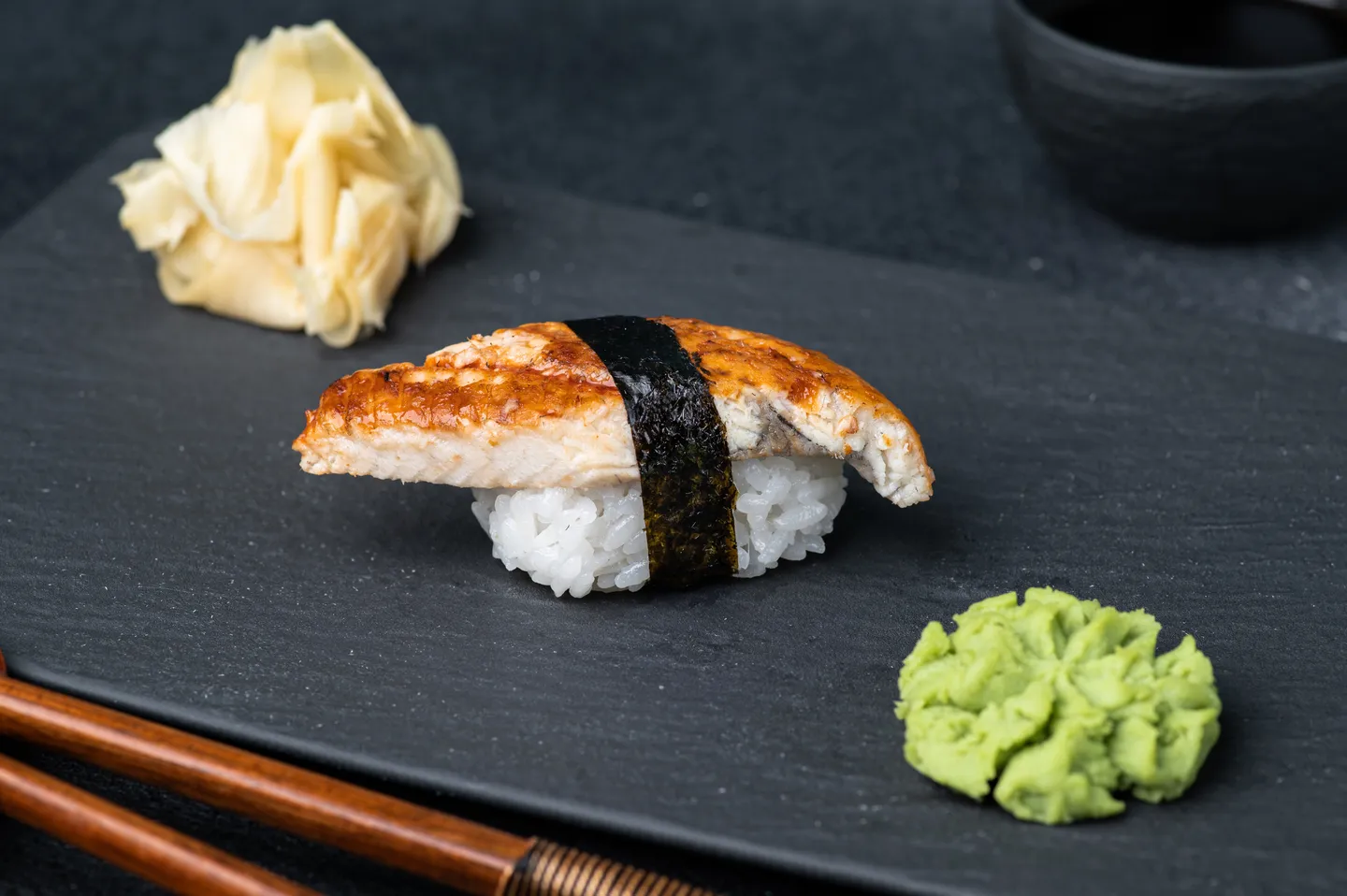
If one image captures the elegance of Japanese cuisine, it is that small hand-molded ball of rice with a slice of fresh fish resting on top. It doesn't need bells and whistles, infinite sauces, or complex fillings. Nigiri sushi is, in essence, the true litmus test for a chef: if the rice is not at the right temperature or the fish cut is not perfect, there is nowhere to hide.

Although today we enjoy it in any high-end Japanese restaurant in Madrid, this bite has a humble and functional origin that few people know about.
To understand what a nigiri is, one must travel to the Tokyo (ancient Edo) of two centuries ago. At that time, people did not have time for long ceremonies. Street stalls needed to serve something fast, nutritious, and easy to eat with your hands while walking.
The name "nigiri" comes from the Japanese verb nigiru, which means "to squeeze" or "to mold by hand." Unlike rolls wrapped in seaweed, this piece was born as a practical solution for workers in a hurry. Over time, what started as market fast food evolved into the crown jewel of high-end Japanese cuisine.
Many people get confused with the sushi nigiri technical terms and names, but the nigiri is easy to identify. It consists of two sacred elements:
Often, the chef places an invisible pinch of wasabi between the rice and the fish to enhance the flavor and act as a natural antiseptic. It is a millimetric balance that seeks total harmony in a single bite.
How did a bite of raw fish transform into the gastronomic standard for so many Spaniards? The answer is no coincidence, but a perfect storm of factors. Spain, with its unrivaled marine pantry and its fish market culture, presented the ideal ecosystem for sushi in Madrid to reach excellence. Japanese technique did not come to replace anything, but to exalt products that were already local jewels, such as the wild bluefin tuna or the small shrimp from our coasts, which find the perfect support to shine in vinegared rice.
In a capital with an offering as vibrant as sushi in Madrid, the nigiri has transcended fashion to become a true cult discipline. We have evolved from initial distrust of raw protein to an almost obsessive search for specific cuts, such as the belly (toro) for its fat infiltration or flamed salmon with citric lime nuances.
.webp)
The success of Japanese cuisine in our country lies in that intersection between health, aesthetics, and reverential respect for the raw material; values that resonate strongly with our own Mediterranean diet. In the end, going to a top-level Japanese restaurant in Madrid has become a logical extension of our passion for the naked product and supreme quality.
Although in the West we have become accustomed to using chopsticks for everything, tradition dictates that the nigiri can—and almost should—be eaten with the hands. By picking it up with your fingers, you prevent the rice structure from breaking.
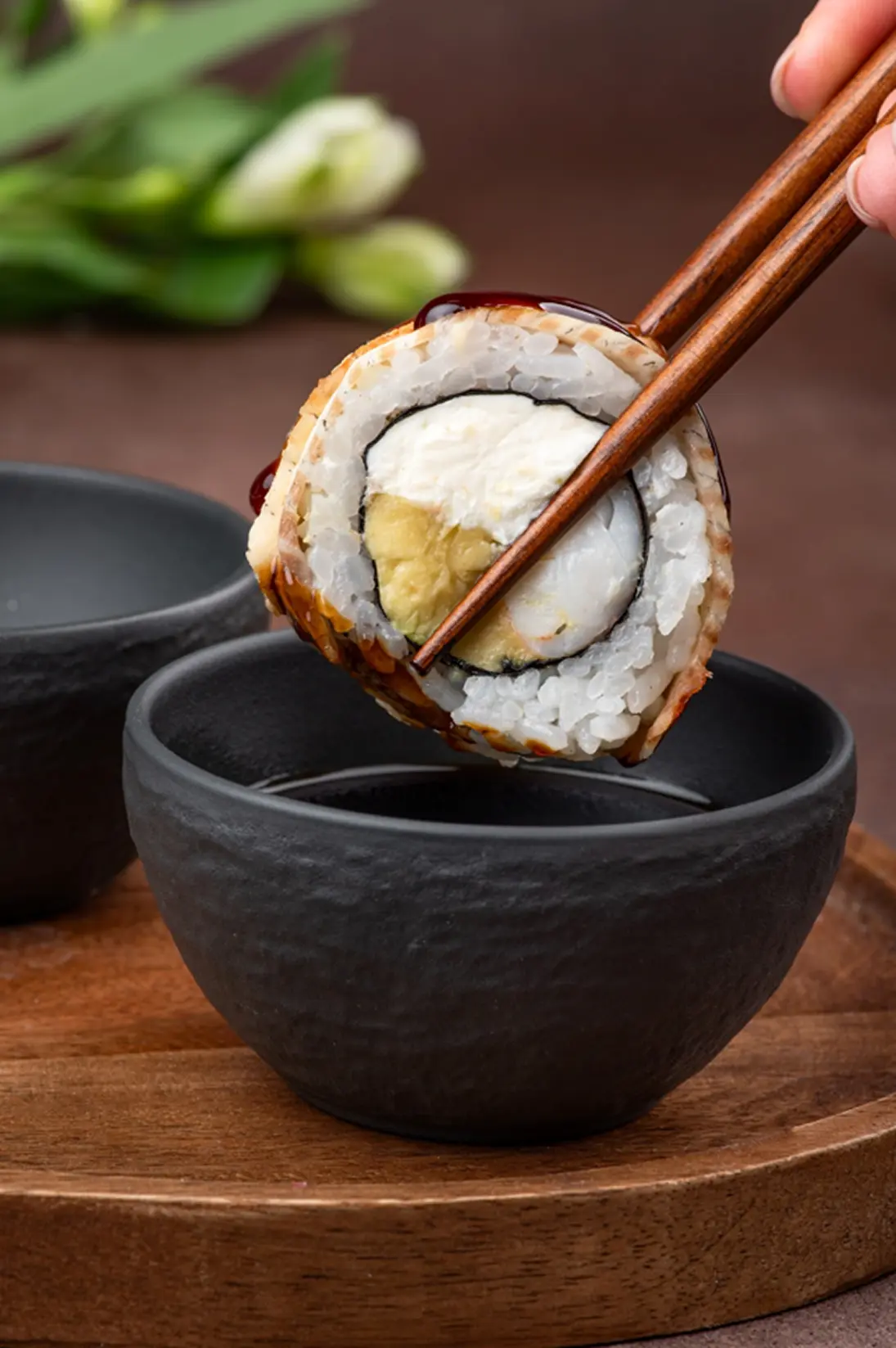
Another expert tip: when you dip it in soy sauce, turn it over so that it is the fish that touches the liquid. If you soak the rice, it will absorb too much salt and the piece will crumble before reaching your mouth.
The next time you visit your favorite japanese restaurant madrid, notice the simplicity of this piece. It is the reminder that, sometimes, less is definitely more. Enjoying good fish on a bed of perfect rice is one of the most honest experiences the palate can have. Enjoy your meal!