Book a table
If you’ve ever sat in a Japanese restaurant in Madrid and ordered a varied platter, it is almost certain that the star of the show was that roll with the rice on the outside and sprinkled sesame seeds. We are talking about California sushi, an icon that, curiously, did more for the expansion of Japanese cuisine in the West than any traditional cookbook.
But did you know that this bite was not born in Tokyo, but on the West Coast of North America? Its origin is the perfect example of how cooking adapts to survive and conquer new palates.
Although the name takes us straight to the beaches of Malibu, the story has nuances. The most accepted theory takes us back to the 60s or 70s, with chef Ichiro Mashita in Los Angeles. It is said that, faced with a lack of seasonal toro (fatty tuna), he decided to use avocado to mimic that rich, buttery mouthfeel.
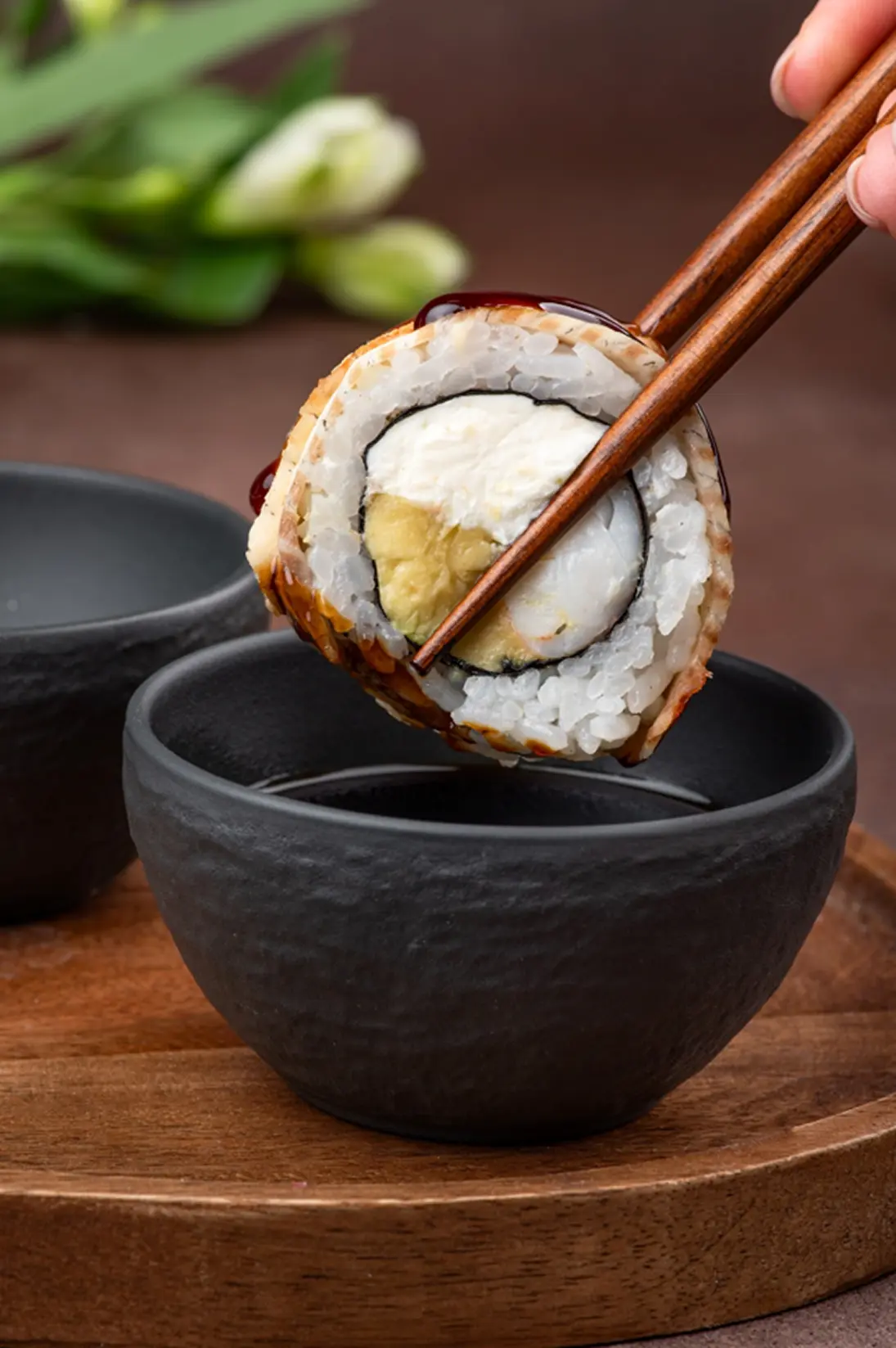
However, there was a problem: local customers were scared to see the black nori seaweed on the outside. The fix? Simple. Just flip the roll inside out. Thus "uramaki" or inverted sushi was born, hiding the seaweed under a layer of rice. This one simple visual tweak was all it took for Japanese cuisine to win over diners worldwide.
.webp)
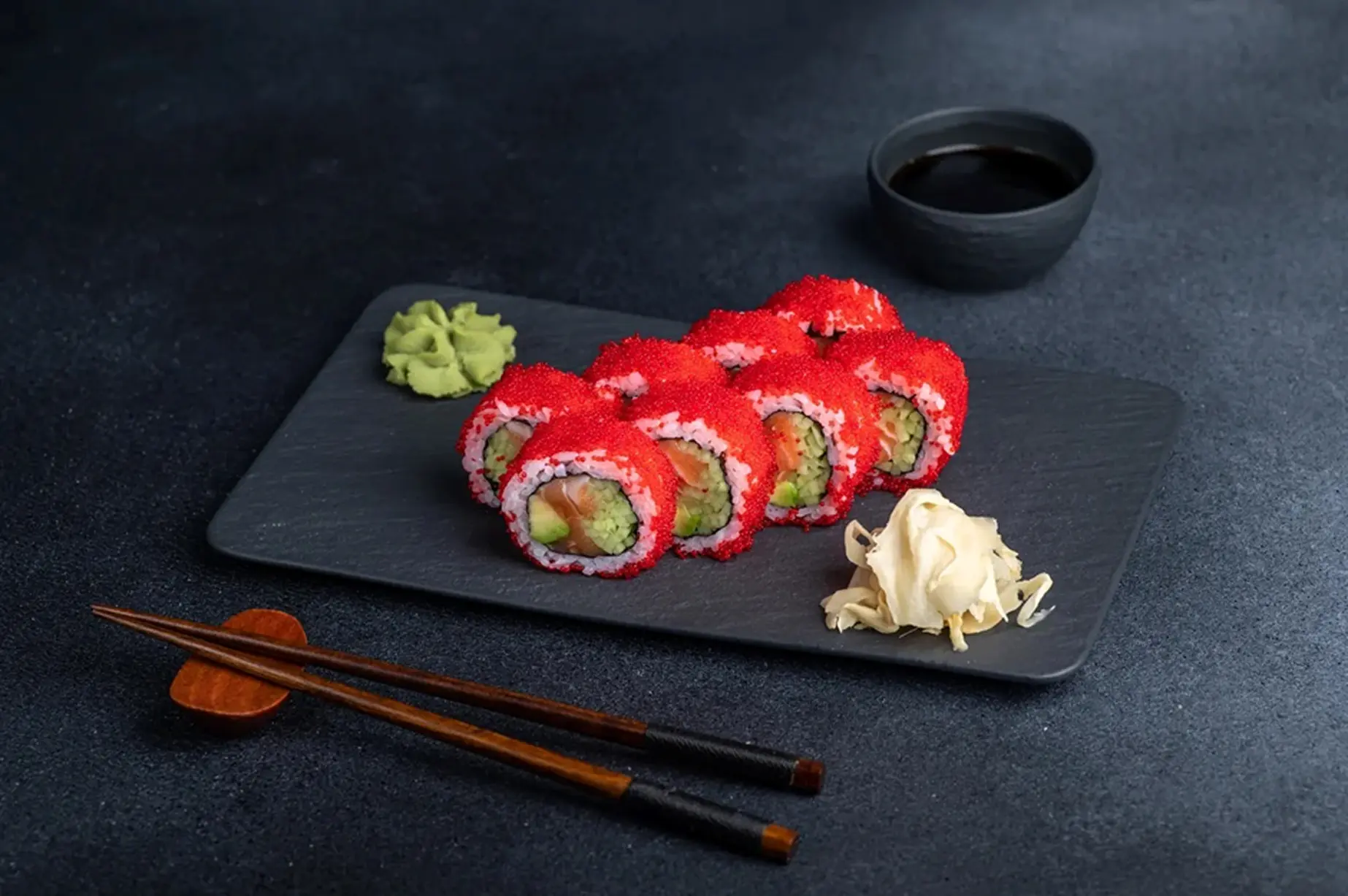
The triumph of this bite lies in its structural balance. It is not an aggressive piece; it stands out for an immediate freshness and a game of contrasts that works perfectly. If we break down the most canonical ingredients, we find a base of short-grain rice seasoned with superior vinegar, which supports the creaminess of the avocado and the crunchy touch of the cucumber. Surimi or crab meat rounds out the set with a sweet marine nuance.
Unlike other proposals of Japanese cuisine that depend on raw fish, the California maki is the perfect ambassador for newcomers. Its inverted design (uramaki), often topped with toasted sesame or tobiko, makes it a friendly, nutritious, and visually impeccable option. It is proof that technical simplicity, executed with good products in a top-level Japanese restaurant Madrid, needs no gimmicks to conquer any table.
In Spain, the explosion of sushi was gradual but unstoppable. During the 90s and early 2000s, Asian food venues began to proliferate, but it was the California roll that broke the barriers of fear regarding "raw fish."

Today, looking for good sushi in Madrid is an adventure that almost always ends with this uramaki on the table. It has become so popular that each chef gives it their personal touch: some add flying fish roe (tobiko) on the outside for extra crunch, others opt for a touch of Japanese mayonnaise or fried onion. The versatility of this recipe is, without a doubt, its greatest strength.
Despite the appearance of extreme fusions with ingredients like foie or truffle, the classic is still there. It is a safe bet. If you are in the capital and feel like a light dinner with character, the freshness of a well-executed California roll is hard to beat.
In short, this dish is much more than "rice with things." It is the cultural bridge that taught us to love the gastronomy of Japanese gastronomy, adapting it to our Western aesthetic. The next time you enjoy one, remember that you are eating a piece of history of culinary innovation.
Hungry yet? We don't blame you. The world of sushi in Madrid always has room for a classic that never goes out of style. Enjoy your meal!