Book a table
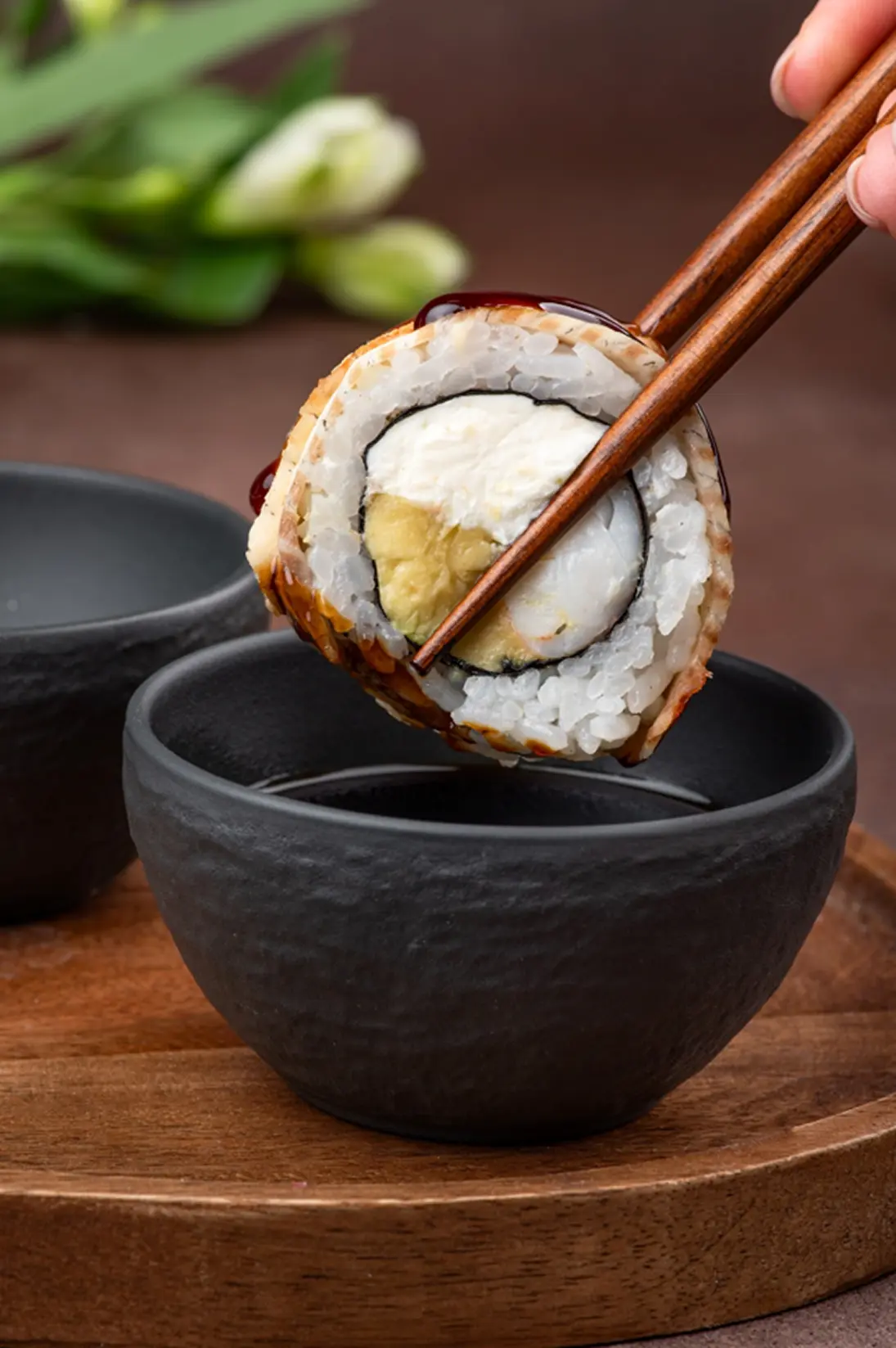
For many, sitting at a table in a Japanese restaurant in Madrid is synonymous with eating light and staying fit. We have this mental image of the Japanese diet as the secret to longevity, and for the most part, it is true. However, as with almost everything in life, it’s all about the fine print. A pure sashimi cut is not the same as a fried roll smothered in store-bought sauces that are basically liquid sugar.
If you wonder if sushi is healthy, the short answer is a resounding yes, but with nuances you should know so your dinner doesn't turn into a calorie bomb without you noticing.
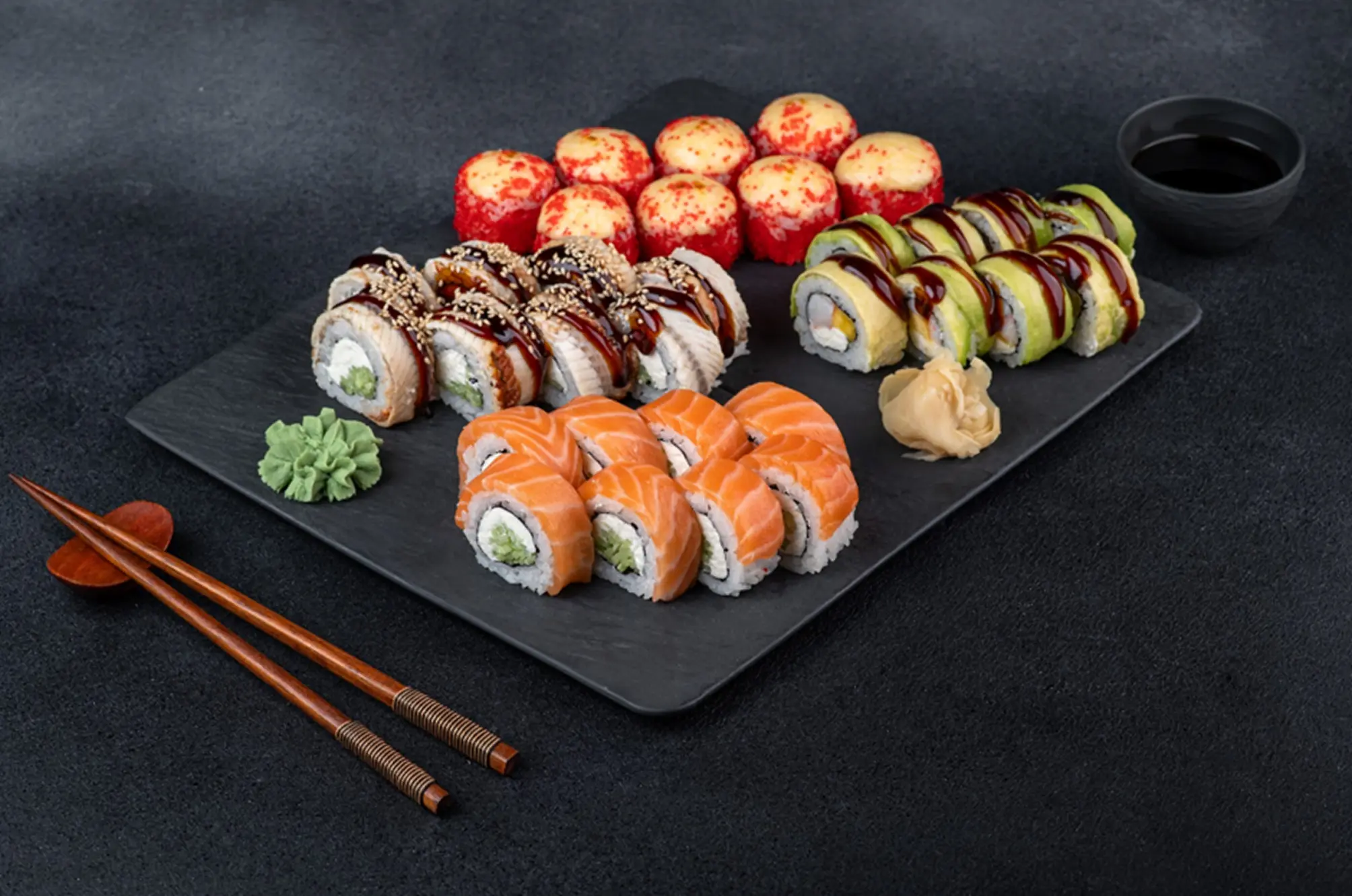
The base of traditional Japanese cuisine presents an exceptional nutritional makeup from a preventive point of view. It is not just about aesthetics; each component provides a specific functional value that the body processes efficiently:
The use of oily fish (salmon, bluefin tuna, or mackerel) is a great source of Omega-3 (EPA and DHA). These fatty acids are fundamental for cardiovascular health, as they help regulate triglyceride levels and maintain the elasticity of cell membranes.
This ingredient is not just a wrapper; it is a micronutrient concentrate. It provides iodine (essential for thyroid metabolism), calcium, iron, and B group vitamins, functioning as a natural mineral boost in every bite.
Ginger (gari) acts as a powerful digestive stimulant and anti-inflammatory, while authentic wasabi possesses isothiocyanate properties, known for their antimicrobial capacity and support for the immune system.

Understanding why sushi is healthy requires looking beyond calories. It is the synergy of these minimally processed foods that turns a dinner at a high-level Japanese restaurant Madrid into an investment in well-being. Enjoying the quality of sushi in Madrid is, in essence, betting on smart nutrition where flavor and health naturally converge.
One of the topics that most concerns those who watch their blood tests is the impact of this dish on blood fats. Here is good news: raw fish on its own is not a problem. In fact, the unsaturated fats in fish help balance lipid levels.
However, we must watch out for certain additions. If we opt for pieces that rely heavily on cream cheese, spicy mayonnaise, or tempura crunch, the nutritional profile changes drastically. In those cases, the saturated fat intake rises, and the benefit of the fish takes a backseat. If you are worried about cholesterol, the key is simplicity: prioritize nigiris and sashimi over ultra-processed creations or those fused with heavy Western ingredients.

It’s not all perfect, though on the wooden tray. To enjoy safely at any sushi in Madrid venue, there are three critical points:
Respecting these small rituals is not a matter of rigid etiquette, but of pure sensory logic to avoid masking the quality of the raw material. Japanese cuisine is based on subtlety: understanding that each element has its function is what differentiates a quick dinner from a true experience at a top Japanese restaurant in Madrid. Mastering the use of sides is the definitive step to enjoying all the nuances offered by sushi in Madrid.
So, is sushi healthy for a regular dinner? Absolutely, as long as you know how to choose. If you are looking for a light but satiating option on your next visit to a Japanese cuisine spot, try starting with a miso soup or a seaweed salad. These dishes prepare your stomach and help you not jump into the rice with too much hunger.
Swapping white rice for brown rice (if the place offers it) or ordering more sashimi pieces than complex rolls will make the difference. In the end, the magic lies in moderation and knowing how to appreciate the quality of the raw material.
In conclusion, eating out can be a pleasure without regrets. If you know how to navigate the menu and avoid excess sweet sauces and fried foods, you will discover that sushi is healthy and one of the best ways to give your body high-quality nutrients while enjoying a unique gastronomic experience. Your heart and your palate will thank you!